01
Workflow discovery
Mapped the clinic's repeated operational tasks, especially around patient retrieval, scheduling, and follow-up visibility, to identify where the system could reduce time spent on routine coordination.
Case Study
A clinic operations platform designed to centralize patient records, appointment workflows, and clinical visibility through one connected system for staff and patient-facing use.
01 / Problem
Overview
Clinic operations become slower and more error-prone when patient information, appointments, and staff actions are split across disconnected records or repetitive manual workflows.
Target Users
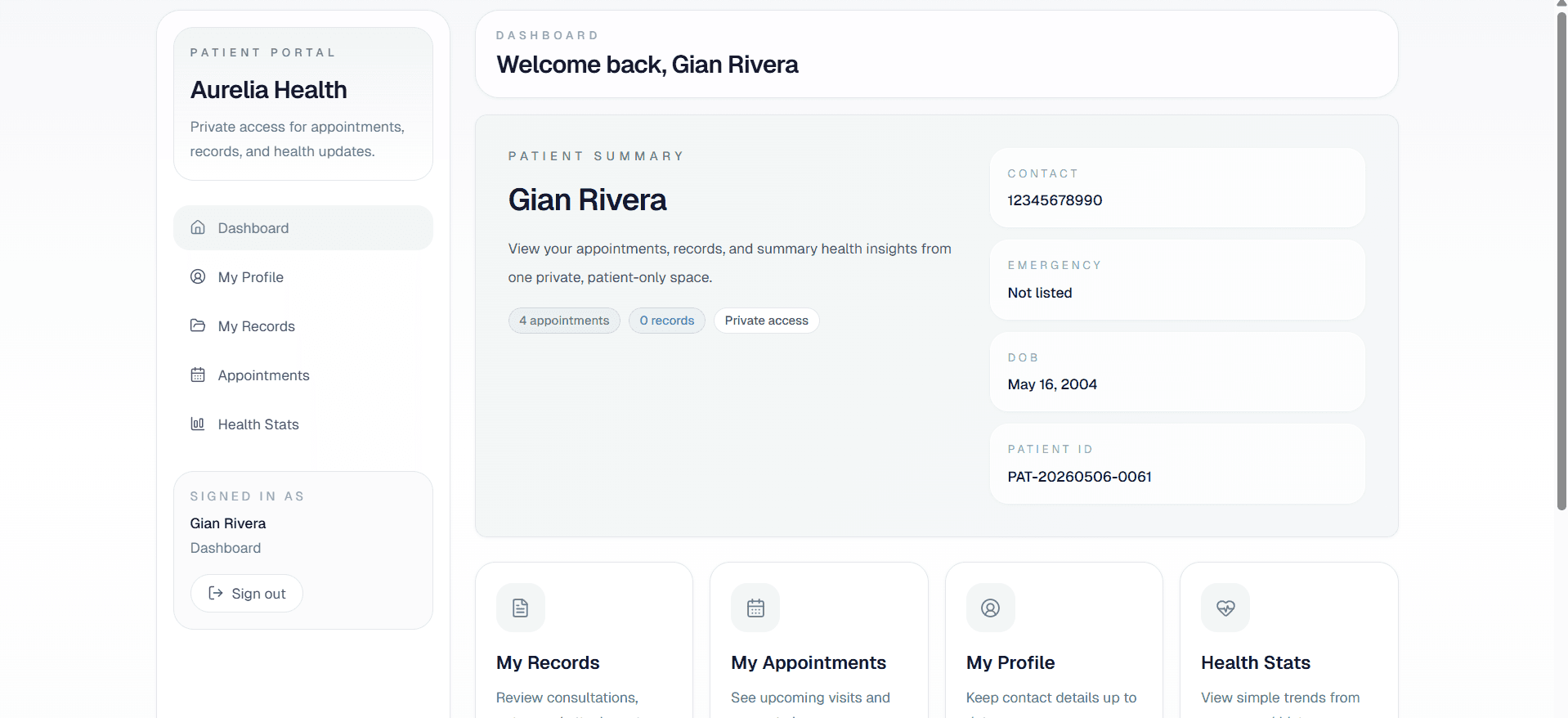
Clinic administrators, front-desk staff, clinicians, and patients accessing appointment and record-related information.
Real-World Issue
The system addresses day-to-day clinic friction: slow record lookup, inconsistent appointment tracking, and limited visibility into patient status and care-related activity.
02 / Ownership
03 / Process
Mapped the clinic's repeated operational tasks, especially around patient retrieval, scheduling, and follow-up visibility, to identify where the system could reduce time spent on routine coordination.
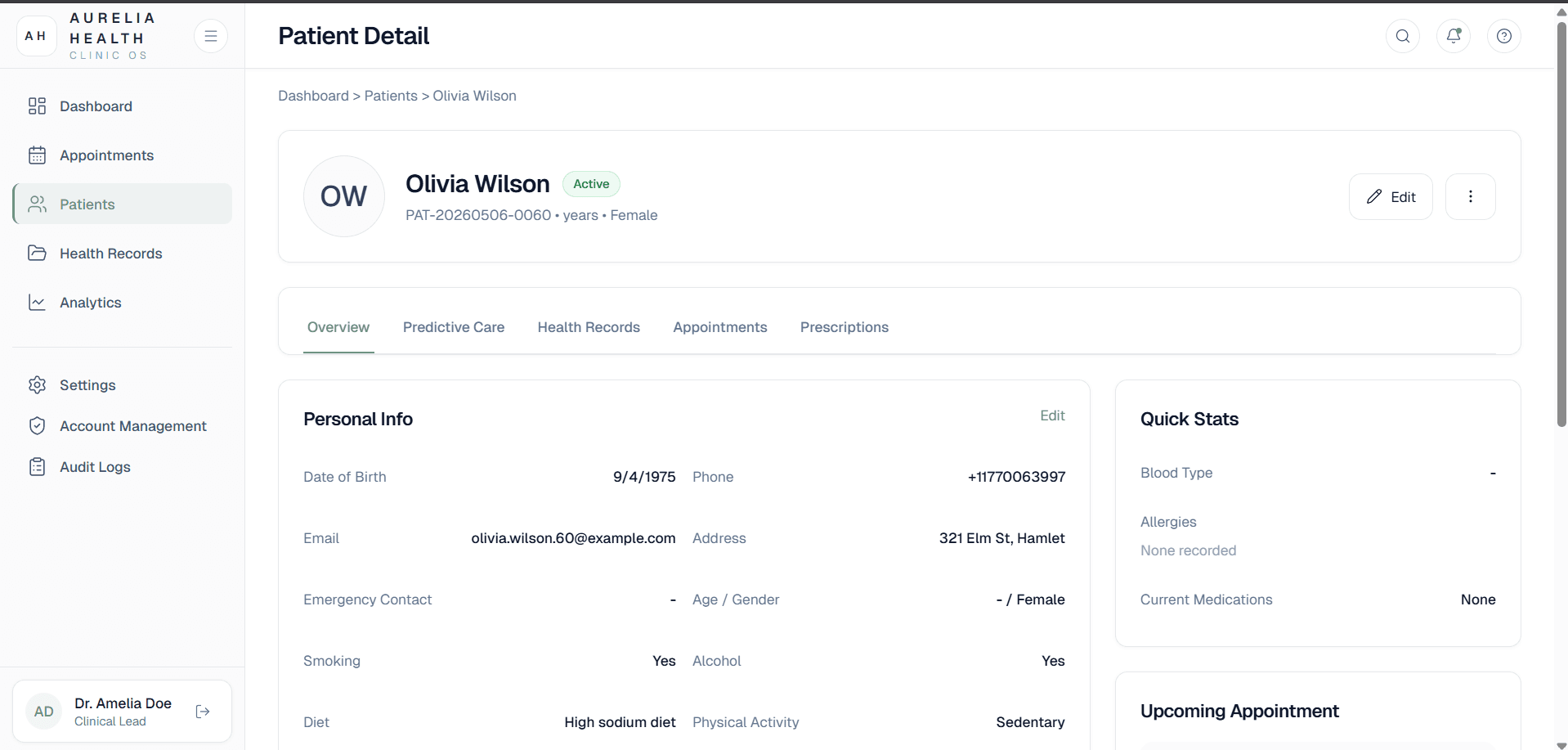
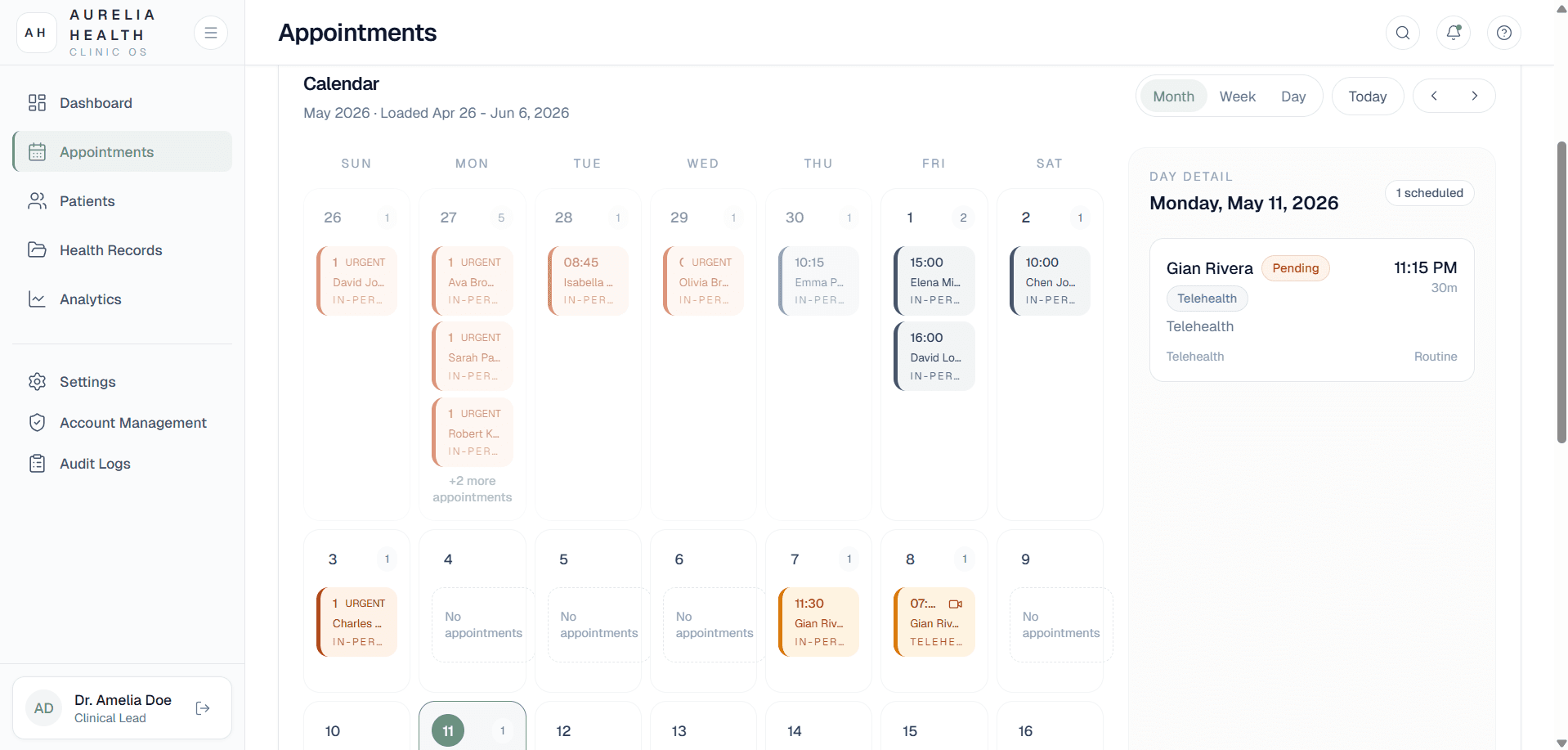
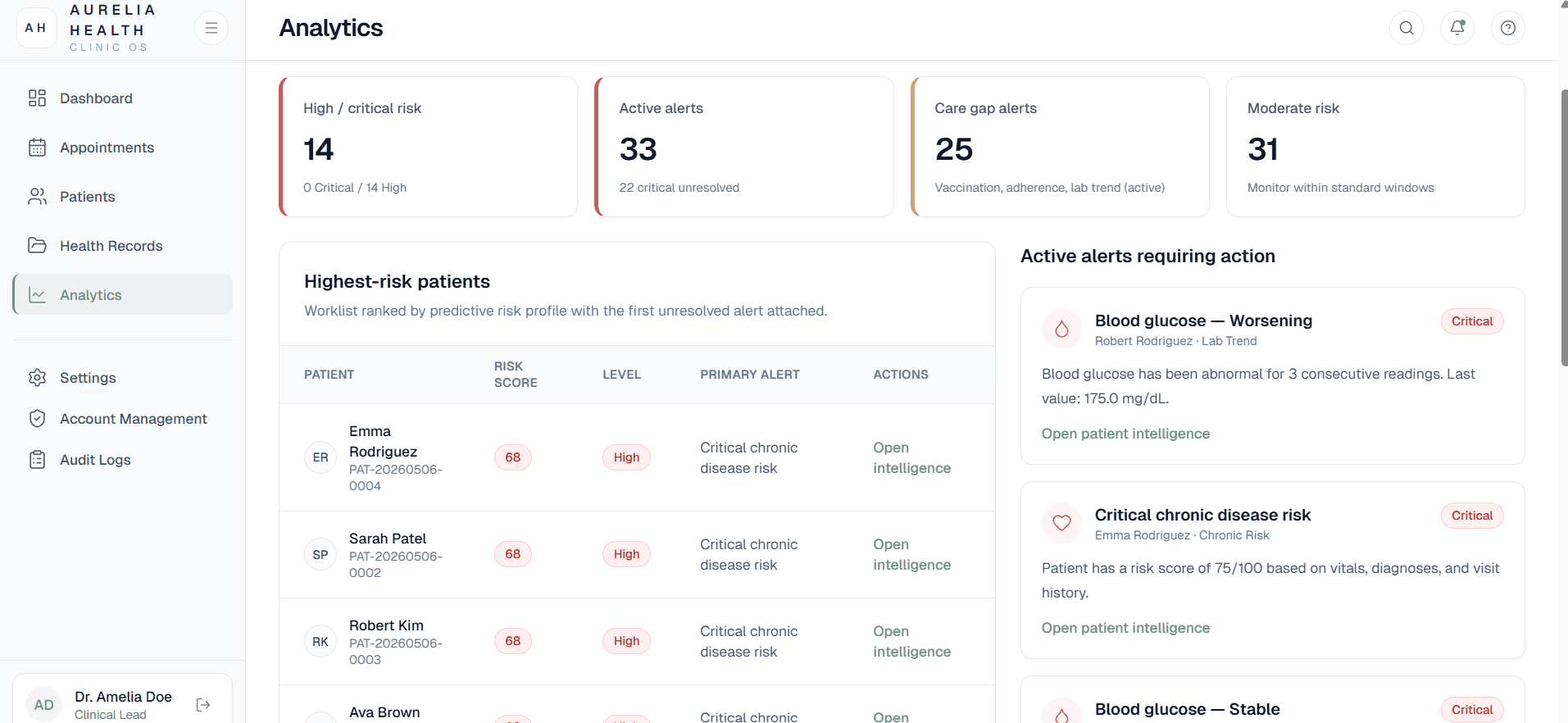
Planned the platform around distinct but connected modules: patient overview, detailed records, appointment scheduling, and analytics for higher-level monitoring.
Built the application using Next.js, Node.js, Express, and Supabase, with interfaces tailored for both daily operational use and broader clinic visibility.
Refined navigation, information grouping, and scheduling views so the experience stayed clean for staff while still surfacing enough patient and clinic context to be useful.
04 / Product
05 / Architecture
frontend
Next.js interface powering dashboards, patient records, appointment views, and analytics screens.
backend
Node.js and Express API layer.
database
Supabase-backed persistence for patient profiles, appointment data, and operational records.
apis
Backend endpoints supporting patient management, appointment handling, analytics data, and clinic-side workflows.
deployment
Web deployment configured for day-to-day clinic access and browser-based operational use.
integrations
The product flow connects patient data, scheduling, and analytics so staff can move between records and decisions without switching systems.
06 / Decisions
Challenge
Solution
The UI was organized around clear navigation, high-visibility patient summaries, and focused task screens so frequent actions remained fast to scan and use.
Challenge
Solution
The platform was structured so users could move from patient summaries to detailed records, scheduling, and analytics without losing context.
Challenge
Solution
The analytics layer used card-based summaries, ranked patient lists, and action-focused alerts so staff could prioritize what needed attention first.
07 / Impact
08 / Visuals
09 / Reflection
This project reinforced how important product structure is in healthcare-adjacent software. It pushed me to think not just about storing data, but about how different users move through records, appointments, and decisions during real clinic operations.